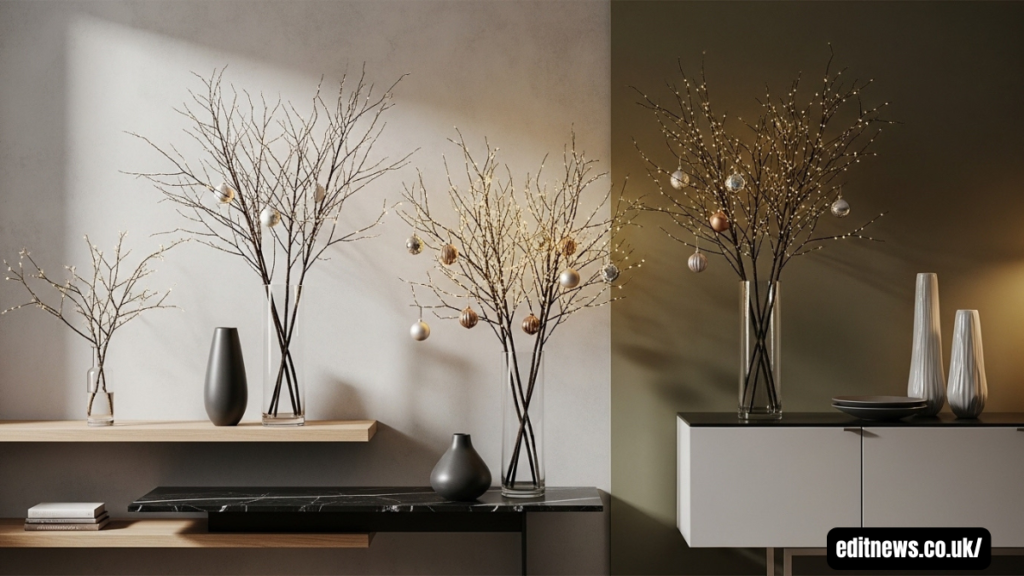

Modern interior design is shifting toward simplicity, calmness, and a stronger connection with nature. Across social media platforms, home decor blogs, and lifestyle magazines, Scandinavian-inspired interiors continue to attract homeowners who want elegant spaces without unnecessary clutter. One decorative trend that has gained attention recently is Pyntekvister, a natural decor concept centered around decorative branches and minimalist styling.
Pyntekvister represents more than just home decoration. It reflects the Nordic philosophy of bringing outdoor beauty into indoor spaces through simple, organic elements. Whether used in modern apartments, rustic homes, or cozy minimalist interiors, Pyntekvister adds texture, warmth, and visual balance. Its rising popularity shows how natural decor trends are influencing modern lifestyles around the world.
What Does Pyntekvister Mean?
Origin and Linguistic Background
The word Pyntekvister has Scandinavian roots and is commonly associated with decorative twigs or ornamental branches used in interior styling. In Nordic cultures, natural materials have always played an important role in home decoration because they create a peaceful and welcoming atmosphere. Decorative branches are often arranged in vases, displayed on tables, or combined with seasonal ornaments to enhance interior aesthetics.
Over time, the meaning of Pyntekvister expanded beyond traditional Nordic decoration. Today, the term is widely connected with minimalist decor, eco-friendly styling, and Scandinavian home inspiration. Many lifestyle websites and home decor communities now use the keyword to describe elegant natural arrangements that fit modern living spaces.
Cultural Importance in Nordic Design
Scandinavian design focuses heavily on simplicity, comfort, and harmony with nature. Nordic homes often use wood, plants, soft lighting, and natural textures to create relaxing environments. Pyntekvister perfectly matches this philosophy because decorative branches bring a subtle natural element into indoor spaces without overwhelming the room.
In Nordic countries, seasonal decorating traditions also influence the use of Pyntekvister. Decorative twigs are commonly styled differently throughout the year using lights, flowers, or ornaments depending on the season. This timeless decorating method continues to inspire modern interior designers worldwide.
The Rise of Pyntekvister in Modern Interior Design
Why Natural Decor Is Trending
Many homeowners today prefer eco-friendly and calming environments instead of overly decorated interiors. As a result, natural home decor trends have become increasingly popular. People want living spaces that feel comfortable, peaceful, and connected to nature. Decorative branches, dried plants, and organic textures help create this atmosphere naturally.
Social media platforms like Pinterest and Instagram have accelerated the popularity of Scandinavian decor ideas. Minimalist rooms featuring elegant Pyntekvister arrangements often attract attention because they appear stylish yet simple. These visuals inspire homeowners to recreate similar interiors using affordable and sustainable decorative elements.
Influence of Scandinavian Minimalism
Scandinavian minimalism emphasizes clean spaces, neutral tones, and practical decoration choices. Instead of filling rooms with unnecessary accessories, Nordic design encourages carefully selected pieces that enhance the overall atmosphere. Pyntekvister works perfectly within this style because decorative branches add beauty without creating visual clutter.
Modern interior designers also appreciate the versatility of Pyntekvister. Decorative twigs can fit contemporary apartments, farmhouse interiors, bohemian spaces, and luxury minimalist homes equally well. Their natural appearance creates softness and balance while maintaining a refined and elegant aesthetic.
Popular Types of Pyntekvister Used in Home Decor
Decorative Twigs and Branches
Natural branches remain the most traditional form of Pyntekvister. These may include dried tree branches, willow twigs, birch stems, or seasonal decorative branches arranged in stylish vases. Their organic texture brings depth and visual interest to modern interiors.
Some homeowners prefer untreated natural branches because they create an earthy and authentic appearance. Others paint or decorate branches to match specific color palettes. White-painted branches, for example, are commonly used in Scandinavian-inspired interiors for a clean and minimalist look.
LED and Artificial Pyntekvister
Modern decor trends have introduced LED Pyntekvister that combine decorative branches with soft lighting. These illuminated branches create cozy evening environments and are especially popular during winter or festive seasons. They work well in bedrooms, living rooms, and entryways where soft lighting enhances comfort.
Artificial Pyntekvister also offer practical advantages. They require less maintenance, remain visually consistent throughout the year, and are suitable for people who prefer long-lasting decorative solutions. High-quality artificial branches now look remarkably realistic and blend naturally into modern interiors.
Eco-Friendly and DIY Variations
DIY Pyntekvister projects have become extremely popular among creative homeowners. Many people collect branches from gardens or outdoor spaces and transform them into personalized decorations. This approach supports sustainable living while reducing decoration costs.
Eco-conscious decorating continues to influence interior trends globally. Reusing natural materials for home styling not only supports environmental awareness but also creates unique decor pieces with personal character. Handmade Pyntekvister arrangements often appear more authentic and artistic than mass-produced decorations.
How to Use Pyntekvister in Different Spaces
Living Room Decoration Ideas
Living rooms are among the best places to display Pyntekvister. Decorative branches placed inside tall ceramic or glass vases create elegant focal points without overwhelming the room. They pair beautifully with neutral furniture, textured rugs, and Scandinavian lighting.
Some homeowners also combine branches with candles, dried flowers, or minimalist artwork to create layered decorative arrangements. This styling technique adds warmth and personality while maintaining a clean and modern appearance.
Bedroom Styling Inspiration
Bedrooms benefit greatly from natural decorative elements because they help create calm and relaxing environments. Pyntekvister arrangements placed near windows, bedside tables, or reading corners add softness and visual balance to minimalist bedrooms.
Decorative branches also complement cozy Nordic-style bedrooms featuring linen fabrics, wooden furniture, and muted colors. Their natural texture helps make spaces feel more inviting while preserving simplicity and elegance.
Kitchen and Dining Area Decor
Pyntekvister can transform dining areas into stylish and welcoming spaces. Decorative branches displayed as table centerpieces create a rustic yet sophisticated atmosphere suitable for everyday living and special occasions.
Seasonal arrangements are especially effective in kitchens and dining spaces. Spring blossoms, autumn branches, or winter-inspired decorations allow homeowners to refresh their interiors throughout the year while maintaining a cohesive Scandinavian aesthetic.
DIY Pyntekvister Projects for Creative Home Styling
Easy Beginner-Friendly DIY Ideas
DIY Pyntekvister projects are simple enough for beginners while still offering creative flexibility. Painted branches placed in glass jars or decorative vases instantly create elegant home decor pieces. Adding small ornaments, hanging lights, or seasonal accents can personalize the arrangement further.
Many DIY enthusiasts enjoy experimenting with textures and colors to match their interior themes. Some choose natural wood tones for rustic interiors, while others prefer monochrome branches for modern minimalist spaces.
Budget-Friendly Home Decor Concepts
One major advantage of Pyntekvister is affordability. Decorative branches are inexpensive compared to luxury decor items, making them accessible for homeowners with different budgets. Natural materials gathered outdoors can even be transformed into beautiful decorative arrangements at little to no cost.
Budget-friendly decorating does not mean sacrificing style. Thoughtfully arranged branches often look more elegant than expensive decorative accessories because they create a clean and authentic atmosphere inspired by nature.
Holiday and Festive Arrangements
Pyntekvister decorations adapt beautifully to seasonal celebrations. During winter holidays, decorative branches are often paired with warm lighting, ornaments, and candles to create cozy festive interiors. Autumn arrangements may include dried leaves, pinecones, or earthy tones.
Spring and summer styling usually focuses on lighter colors and fresh botanical elements. This flexibility makes Pyntekvister suitable for year-round interior decoration while allowing homeowners to refresh their spaces creatively.
Benefits of Using Pyntekvister in Home Interiors
Creating a Calm and Natural Atmosphere
Natural decor elements positively affect mood and comfort. Decorative branches introduce organic textures that soften modern interiors and create more relaxing environments. Many people feel calmer in spaces that include natural materials because they reduce visual stress.
Pyntekvister also encourages mindful and intentional decorating. Instead of overcrowding rooms with accessories, homeowners can use simple natural arrangements to create visual harmony and balance.
Sustainable and Eco-Conscious Decoration
Sustainability is becoming increasingly important in modern home design. Pyntekvister supports eco-friendly decorating because branches can be reused, repurposed, and styled in multiple ways without creating unnecessary waste.
Using natural or recycled materials also reduces dependence on mass-produced decor items. This aligns with the growing minimalist lifestyle movement focused on quality, simplicity, and environmental awareness.
Versatility Across Interior Styles
One reason Pyntekvister remains popular is its versatility. Decorative branches fit modern, rustic, industrial, farmhouse, and bohemian interiors equally well. Their neutral appearance allows them to blend naturally into almost any design style.
They are also adaptable for different room sizes. Small apartments can benefit from subtle branch arrangements, while larger homes may feature dramatic oversized decorative displays for added visual impact.
Pyntekvister Trends on Social Media and Lifestyle Blogs
Pinterest and Instagram Influence
Pinterest and Instagram have played a major role in spreading Scandinavian decor trends globally. Stylish interior photographs featuring decorative branches often receive strong engagement because they appear elegant, calming, and achievable.
Content creators regularly share styling tutorials, seasonal decoration ideas, and minimalist room inspiration using Pyntekvister. These visual platforms continue introducing the trend to wider audiences interested in modern interior aesthetics.
Influence on Lifestyle and DIY Communities
DIY communities and home improvement bloggers have also contributed to the popularity of Pyntekvister. Creative tutorials encourage people to experiment with handmade decorations using affordable natural materials.
The trend appeals especially to individuals interested in sustainable living and personalized home styling. As more homeowners seek meaningful and eco-conscious decor ideas, Pyntekvister continues gaining attention across digital platforms.
Common Mistakes to Avoid When Decorating With Pyntekvister
Overcrowding Decorative Spaces
Although decorative branches can enhance interiors beautifully, overcrowding a room with too many arrangements can reduce their impact. Scandinavian design works best when spaces feel balanced and uncluttered.
Choosing one or two carefully styled branch arrangements usually creates a stronger visual effect than excessive decoration. Simplicity remains an essential part of Nordic-inspired interior styling.
Choosing the Wrong Materials
Not all decorative branches suit every interior style. Oversized or poorly maintained branches may appear messy rather than elegant. It is important to select branches that complement the room’s overall color palette and furniture style.
Artificial branches should also be chosen carefully. Low-quality materials can look unrealistic and reduce the natural aesthetic homeowners are trying to achieve.
Future Trends of Pyntekvister in Interior Design
Smart and Modern Scandinavian Decor Evolution
As interior trends continue evolving, Pyntekvister is becoming more innovative. Modern designers now combine decorative branches with integrated LED lighting, smart home technology, and contemporary artistic arrangements.
This blend of natural elements and modern functionality appeals to homeowners who want interiors that feel both stylish and practical. Scandinavian-inspired decor continues adapting to modern lifestyles while preserving its minimalist roots.
Growing Demand for Sustainable Decoration
Sustainability will likely remain one of the strongest influences on future interior design trends. Consumers increasingly prefer reusable, eco-friendly decor pieces over disposable accessories. Pyntekvister aligns perfectly with this movement because it emphasizes natural beauty and mindful decorating.
The continued popularity of minimalist living, wellness-focused interiors, and nature-inspired spaces suggests that decorative branch styling will remain relevant for years to come.
Conclusion
Pyntekvister represents much more than decorative branches. It reflects a broader shift toward simplicity, sustainability, and nature-inspired living within modern interior design. Rooted in Scandinavian traditions, this elegant decor style has become increasingly popular worldwide because it combines beauty with minimalism.
From cozy bedrooms to stylish living rooms, Pyntekvister adds warmth, texture, and balance without overwhelming a space. Its affordability, versatility, and eco-friendly appeal make it an excellent choice for homeowners seeking timeless decor inspiration. As Scandinavian design continues influencing global interiors, Pyntekvister will likely remain an important part of modern natural home styling.
FAQs
What does Pyntekvister mean?
Pyntekvister is a Scandinavian term commonly associated with decorative branches or ornamental twigs used in interior decoration and Nordic home styling.
Why is Pyntekvister popular in modern homes?
Pyntekvister is popular because it supports minimalist, eco-friendly, and nature-inspired interior design trends that create calm and stylish living spaces.
Can I make DIY Pyntekvister decorations at home?
Yes, many homeowners create DIY Pyntekvister using natural branches, paint, lights, and seasonal ornaments for personalized home decor.
Are artificial Pyntekvister suitable for interior decoration?
High-quality artificial Pyntekvister can look elegant and realistic while requiring less maintenance than natural branches.
Which interior styles work best with Pyntekvister?
Pyntekvister works beautifully with Scandinavian, minimalist, rustic, farmhouse, bohemian, and modern interior design styles.