
Introduction
Digital entertainment has changed the way people discover ideas, follow trends, and connect with communities. Instead of depending only on traditional radio or television, modern audiences now look for flexible platforms that combine conversation, information, and personality. This is where geek-focused audio content becomes important for listeners who enjoy technology, gaming, comics, films, gadgets, and pop culture.
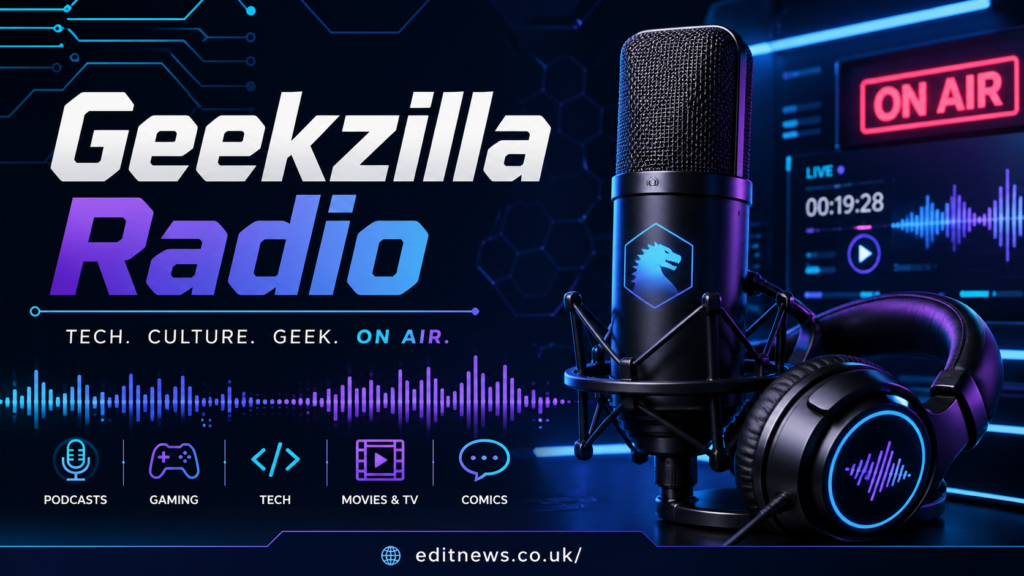
Geekzilla Radio has become a search topic for people who want to understand what this platform offers, why it attracts geek culture fans, and how it fits into the growing world of podcasts and online broadcasting. The official GeekZilla network describes its radio section as a space that brings geek culture to life through conversations, creative voices, and innovative radio experiences.
In today’s media landscape, geek culture is no longer a small niche hidden in the background. Superhero movies dominate global cinemas, gaming has become a massive entertainment industry, artificial intelligence is part of daily conversation, and podcasts have turned casual discussions into powerful digital communities. A platform that brings these interests together can attract both serious fans and casual listeners.
This guide explains the meaning, purpose, features, audience, and value of Geekzilla Radio in a simple and complete way. It covers shows, podcasts, technology, gaming, pop culture, listening experience, audience benefits, reliability, and common questions. The goal is to help readers understand the platform clearly before deciding whether it matches their interests.
What Is Geekzilla Radio?
Geekzilla Radio can be understood as a geek-focused digital radio and podcast-style platform built around technology, gaming, entertainment, and pop culture conversations. It is not limited to one narrow topic. Instead, it works as a broader media space where different parts of geek life come together through discussions, updates, opinions, and community-based content.
The platform appeals to people who enjoy listening to conversations rather than reading long technical articles or watching lengthy videos. For many users, audio content is easier to enjoy while working, driving, studying, gaming, exercising, or relaxing. This makes a geek-focused radio format useful for people who want information and entertainment without needing to keep their eyes on a screen.
The word “geek” once had a limited meaning, but today it often represents passion, curiosity, creativity, and deep interest in specialized subjects. A geek can be a gamer, developer, movie fan, comic reader, anime lover, tech reviewer, gadget collector, or science fiction follower. A platform like this connects those different interests under one recognizable identity.
The main value of this type of platform is accessibility. Listeners do not need to be experts to enjoy it. A beginner can listen for basic technology explanations, while an experienced fan can enjoy deeper discussions about games, devices, characters, franchises, or trends. That balance between casual entertainment and knowledgeable conversation is what gives the platform its appeal.
Background and Concept of Geek-Focused Broadcasting
Geek-focused broadcasting has grown because audiences now prefer content that feels personal, specific, and community-driven. Traditional media often covers technology or entertainment in short segments, but dedicated fans usually want more detail. They want opinions, analysis, humor, debate, predictions, and a sense of connection with people who share the same interests.
Online radio and podcast platforms have made this possible. Instead of waiting for scheduled television programs, listeners can search for specific topics and hear discussions whenever they want. This flexible format has helped niche communities grow quickly because it gives audiences the freedom to choose content that matches their personal taste.
The concept behind a platform like Geekzilla Radio fits perfectly into this media shift. It focuses on interests that are already popular online, such as gaming, new technology, science fiction, movies, comics, digital trends, and fan communities. These subjects create strong engagement because fans do not only consume them; they talk about them, debate them, review them, and build identities around them.
Geek culture also works well in audio format because many topics naturally invite conversation. A new gaming console, an upcoming superhero movie, a controversial software update, or a major anime release can all generate long discussions. Listeners enjoy hearing different viewpoints because these conversations often feel like friendly debates among people who genuinely care about the subject.
Main Features of Geekzilla Radio
One of the main features of Geekzilla Radio is its wide topic range. The official GeekZilla site positions the network around tech, automobiles, entertainment, gaming, and digital trends, with regular content updates for readers and listeners. This broad coverage gives the platform room to attract different kinds of fans instead of serving only one narrow audience.
Another useful feature is the conversational style. Many listeners prefer audio content that feels natural rather than overly formal. A strong geek-focused show should sound like an informed discussion between passionate people. This style helps complex subjects become easier to understand because hosts can explain ideas through examples, opinions, comparisons, and real-life situations.
A platform like this may also include reviews, trend discussions, episode-based shows, community interaction, entertainment updates, and opinion segments. These features are important because geek audiences often want more than headlines. They want to know what a new product means, whether a game is worth playing, why a movie matters, or how a trend could affect the future.
The digital format is also important. Online access allows listeners to follow content from different locations and devices. A listener can enjoy an episode through a website, podcast page, mobile browser, or streaming option if available. This flexibility makes the platform more convenient than traditional broadcasting, especially for younger audiences who prefer on-demand media.
Types of Shows and Content Listeners May Find
A geek-focused audio platform can include many types of shows depending on its structure, production schedule, and audience demand. Technology shows are usually among the most common because tech changes quickly. Listeners may want updates on gadgets, software, artificial intelligence, apps, smartphones, cybersecurity, digital tools, and internet culture.
Gaming shows are another major category. These can include discussions about upcoming releases, game reviews, console comparisons, PC gaming setups, esports news, retro games, indie games, and player communities. Gaming content performs well because it combines entertainment, competition, storytelling, technology, and fan loyalty in one space.
Pop culture shows can cover films, television, streaming series, comics, anime, superheroes, science fiction, fantasy, and fandom discussions. This type of content attracts people who enjoy entertainment analysis and fan theories. A good pop culture segment can make listeners feel included in a larger conversation around stories and characters they already love.
Some platforms may also include interviews, live discussions, themed episodes, news roundups, creator spotlights, or audience question sessions. These formats keep the content fresh and prevent the platform from feeling repetitive. Variety matters because geek culture is wide, and listeners often enjoy discovering new areas beyond their usual interests.
Geekzilla Radio and Tech Culture
Tech culture is one of the strongest parts of modern geek identity. People are surrounded by digital tools, smart devices, apps, streaming platforms, online communities, artificial intelligence systems, and gaming hardware. A platform that explains technology in a friendly voice can help listeners feel more confident in a fast-changing digital world.
Geekzilla Radio can be valuable for tech lovers because audio discussions make technology easier to understand. Instead of presenting dry specifications, a good host can explain how a device works, why a software update matters, what a new trend means, and whether a product is useful for everyday users. This style is especially helpful for beginners.
Technology content can also serve advanced listeners when it goes beyond surface-level news. Fans may want deeper discussions about innovation, privacy, digital safety, artificial intelligence, cloud tools, gaming performance, creator technology, and future trends. When these topics are explained with examples, they become useful for both casual users and professionals.
The best tech commentary does not only say what happened. It explains why it matters. For example, a new phone is not just a product launch; it may reflect changes in camera technology, battery design, software features, pricing strategy, or consumer behavior. That wider explanation helps listeners understand technology as part of culture, not just as a list of gadgets.
Gaming Content and Community Appeal
Gaming is one of the biggest pillars of geek culture because it combines storytelling, competition, design, technology, and community. A good gaming discussion can attract casual players, competitive gamers, collectors, streamers, and people who simply enjoy learning about the industry. That makes gaming a natural topic for audio shows and digital radio.
Geekzilla Radio fits this interest because gaming conversations work especially well in long-form audio. Listeners can hear opinions about gameplay, graphics, storylines, updates, characters, multiplayer features, and gaming platforms. These conversations often feel more personal than written reviews because tone, humor, and debate make the discussion more engaging.
Gaming audiences also enjoy community identity. Fans often follow franchises for years, discuss theories, compare consoles, debate updates, and share memories of older games. A radio or podcast format can capture this emotional side of gaming better than a short news post. It gives people a place to feel that their interests are understood.
Another advantage is discovery. Listeners may learn about indie games, retro titles, upcoming releases, or gaming trends they would not find through mainstream advertising. This is important because the gaming world is massive, and many excellent titles can be missed when attention goes only to major studios and popular franchises.
Pop Culture, Movies, Comics, and Fandom
Pop culture gives geek-focused platforms a wider emotional reach. Many people first enter geek culture through movies, superhero stories, animated shows, fantasy novels, comics, anime, or science fiction series. These stories create shared memories and strong opinions, making them perfect subjects for discussion-based content.
A platform covering pop culture can explore more than simple reviews. It can discuss character development, storytelling, fan expectations, franchise history, comic book origins, adaptation quality, streaming trends, and the cultural meaning of popular entertainment. This makes the content useful for fans who want more depth than a basic summary.
Fandom is also a major part of the experience. People do not only watch movies or read comics; they join communities, create art, attend conventions, follow creators, buy merchandise, write theories, and debate future storylines. A geek-focused platform can become a meeting point where these interests are discussed in an organized and entertaining way.
This content also helps attract a broader audience. Someone may not be deeply interested in hardware or software, but they may love Marvel, DC, Star Wars, anime, fantasy worlds, or streaming shows. By including pop culture, a platform can become more welcoming to listeners with different levels of geek interest.
Podcast Experience and Online Listening
Podcast-style listening has become popular because it respects the listener’s time. People can choose when to listen, pause when needed, replay useful parts, and follow topics that match their mood. This flexibility is one reason digital audio has become a major part of online media consumption.
Geekzilla Radio benefits from this shift because geek audiences often enjoy long conversations. A short article can provide facts, but an audio discussion can provide personality, disagreement, humor, examples, and context. That makes the listening experience feel more human and less mechanical than simple news reading.
Online listening is also convenient for multitasking. A listener can enjoy an episode while commuting, cooking, exercising, working on a computer, or playing a casual game. This makes audio content part of daily life rather than something that requires full attention at a specific time.
For beginners, the best approach is to start with a topic they already enjoy. A gamer can begin with gaming discussions, a tech fan can search for gadget or AI topics, and a movie lover can explore pop culture episodes. Once listeners become comfortable, they can branch into other categories and discover new interests.
Why Geek Culture Has Become Mainstream
Geek culture has moved from the margins to the center of entertainment and technology. Decades ago, interests like comics, video games, fantasy stories, and coding were often treated as niche hobbies. Today, they influence global cinema, fashion, education, business, social media, and digital communication.
This shift happened because technology became part of everyday life. Smartphones, gaming consoles, streaming platforms, online communities, and social networks made digital culture normal. At the same time, superhero films, fantasy series, anime, and gaming franchises reached huge global audiences. What was once considered niche became mainstream entertainment.
Platforms like Geekzilla Radio exist because there is now a large audience for specialized conversations. People want content that takes their interests seriously. They do not want geek culture reduced to jokes or stereotypes. They want thoughtful discussion, honest reviews, and a community that understands the excitement behind these subjects.
The mainstream success of geek culture does not mean it has lost its identity. In many ways, it has become more diverse. There are now fans of different ages, backgrounds, professions, and countries participating in the same conversations. Digital platforms help bring these people together through shared curiosity and passion.
Benefits for Listeners
One major benefit of listening to a geek-focused platform is staying updated. Technology, gaming, and entertainment move quickly, and it can be difficult to follow every update. A good show can filter the noise and highlight the stories that matter most to its audience.
Another benefit is learning through conversation. Some people understand topics better when they hear them explained in natural language. Audio discussions can break down complicated ideas, compare different viewpoints, and provide real examples. This helps listeners absorb information without feeling overwhelmed by technical wording.
Entertainment is also important. People do not always listen only to learn; they listen because they enjoy the personalities, opinions, jokes, and energy of a show. When hosts sound passionate, the content becomes more enjoyable. This emotional connection can turn occasional listeners into regular followers.
Community is another valuable benefit. Geek culture is strongest when people share ideas and experiences. A platform that encourages discussion can help listeners feel connected, especially if they do not have many people around them who share the same interests. Audio content can create a sense of belonging even when the listener is alone.
Audience and Who Should Listen
The audience for this type of platform is wide because geek culture includes many different interests. Tech enthusiasts may listen for discussions about gadgets, apps, artificial intelligence, software, and digital innovation. Gamers may follow updates about new releases, consoles, esports, and gaming culture.
Movie and TV fans may enjoy conversations about streaming series, superhero films, anime, science fiction, fantasy, and fan theories. Comic book readers may appreciate discussions about characters, story arcs, adaptations, and creative history. Students and young professionals may listen to stay connected with modern trends in a relaxed way.
Beginners can also benefit because good geek media should not make people feel excluded. A clear and friendly discussion can introduce new listeners to topics they may not fully understand. This is useful for people who are curious about technology or pop culture but do not know where to begin.
Experienced fans may listen for deeper opinions, debates, and analysis. They may already know the basics, but they still enjoy hearing different perspectives. A strong platform serves both groups by keeping explanations clear while still offering enough substance for knowledgeable listeners.
Reliability and Fact Checking
Reliability is important for any platform that discusses technology, gaming, or entertainment news. Some content may be opinion-based, while other content may involve factual claims about products, releases, updates, or industry changes. Listeners should understand the difference between commentary, review, rumor, and confirmed information.
When using Geekzilla Radio as a source of information, readers should check whether claims are supported by official announcements, trusted publications, developer statements, product pages, or verified social channels. This is especially important for release dates, pricing, technical specifications, and major industry news.
Opinion content still has value even when it is not the same as formal reporting. Reviews, reactions, and predictions help audiences think about a topic from different angles. However, strong opinion content should be transparent. It should make clear when something is personal judgment rather than confirmed fact.
For writers creating content about this topic, it is wise to avoid unsupported claims. Do not invent founder names, audience numbers, revenue figures, partnerships, or exclusive features unless they are verified. Accurate writing builds trust, and trust is essential for long-term SEO performance.
Comparison With Other Tech and Geek Podcasts
There are many technology and geek culture podcasts online, so a platform must offer a clear identity to stand out. Some shows focus only on software, others only on gaming, and others only on films or comics. A broader platform can appeal to listeners who enjoy multiple parts of geek culture.
The advantage of a mixed-topic platform is variety. A listener may come for gaming news but stay for technology updates or entertainment discussions. This creates a richer experience because geek interests often overlap. A gamer may care about graphics cards, a movie fan may enjoy comic history, and a tech user may be interested in AI tools.
However, broad coverage also requires balance. If a platform covers too many topics without structure, listeners may feel confused. Strong organization, clear show categories, consistent episode themes, and useful descriptions can help audiences find what they want quickly.
Compared with general tech podcasts, geek-focused content usually feels more personality-driven and culture-aware. It does not only talk about devices or software; it connects those subjects to entertainment, creativity, lifestyle, and community. This makes the listening experience more colorful and emotionally engaging.
How Beginners Can Start Listening
New listeners should begin with familiar topics. Someone who enjoys video games can search for gaming-related shows or discussions. A movie fan can start with pop culture episodes. A tech beginner can choose simple explainers or news roundups instead of advanced technical debates.
It is also helpful to sample different formats. Some listeners prefer short updates, while others enjoy long conversations. Some like reviews, while others prefer interviews or live discussions. Trying different styles helps users find the content format that feels most comfortable for them.
Beginners should not feel pressure to understand every reference. Geek culture is full of inside jokes, franchise history, technical words, and fan debates. Over time, regular listening makes these references easier to understand. The best way to learn is simply to start with topics that already feel interesting.
Listeners can also follow related pages, communities, or updates if available. This helps them know when new content is released and which topics are trending. Engagement can make the experience more interactive, especially for people who enjoy commenting, asking questions, or sharing opinions.
Content Quality and User Experience
Content quality depends on more than the topic itself. A good listening experience requires clear audio, organized discussion, knowledgeable voices, and useful pacing. Even an interesting subject can become difficult to follow if the episode lacks structure or the sound quality is poor.
A strong geek show should introduce the topic clearly, explain the background, discuss the main points, and end with useful takeaways. This structure helps listeners follow the conversation without getting lost. It also makes the content more searchable and easier to recommend.
Personality also matters. People return to podcasts and radio shows not only because of information, but because they enjoy the voices presenting it. Humor, chemistry, honesty, and enthusiasm can turn ordinary topics into memorable episodes. Geek audiences especially appreciate hosts who sound genuinely passionate.
User experience also includes easy access. A clean website, clear episode titles, simple categories, mobile-friendly design, and updated content all help listeners stay engaged. When people can find what they want quickly, they are more likely to return and explore more shows.
SEO Value of Geek-Focused Content
Geek-focused topics can perform well in search because they connect with active communities. Fans often search for guides, reviews, explanations, comparisons, episode details, listening options, and platform information. An article about Geekzilla Radio can rank better when it answers these questions clearly and naturally.
The keyword should appear in important places such as the title, introduction, a few headings, and selected body paragraphs. However, repeating the keyword too many times can make the article sound forced. Natural keyword placement is better for readers and search engines.
Related terms are also important. Words like geek culture, podcast, online radio, tech news, gaming updates, pop culture, digital media, listener guide, and entertainment platform help search engines understand the full topic. These terms also make the article more useful because they reflect real user intent.
SEO success also depends on depth. A thin article that only defines the platform may not satisfy readers. A strong article should explain features, audience, benefits, listening experience, reliability, comparisons, and FAQs. Helpful structure increases the chance that users stay longer and find answers without returning to search results.
Common Mistakes to Avoid
One common mistake is writing about the platform with unsupported certainty. If a detail is not verified, avoid presenting it as fact. Claims about ownership, exact listener numbers, income, partnerships, or exclusive shows should be checked carefully before publication.
Another mistake is keyword stuffing. Repeating the same phrase unnaturally can damage readability and make the article feel low quality. A better approach is to use the main keyword naturally and support it with related phrases that match the topic.
Writers should also avoid confusing similar names or unrelated sites. Geek-related brands, fan pages, merchandise stores, and media platforms can have similar names. Before publishing, confirm that the content refers to the correct platform and not a different website or social page.
Copying competitor content is another serious problem. Search engines reward originality and helpfulness. Writers should use their own structure, explanations, examples, and insights. A unique article should answer the reader’s questions better than existing pages rather than simply rephrasing what others have already written.
Future of Geek Audio Platforms
The future of geek audio content looks promising because audiences continue to demand flexible, personal, and topic-specific media. As technology grows, listeners will likely want more discussions about artificial intelligence, gaming innovation, virtual reality, cybersecurity, creator tools, and digital entertainment trends.
Podcast and radio-style platforms may also become more interactive. Live chats, community questions, polls, short clips, video versions, newsletters, and social media discussions can expand the listening experience. This makes the platform feel less like one-way broadcasting and more like a shared community.
Geek culture itself will continue evolving. New games, devices, films, comics, software tools, and online communities will create fresh topics. A platform that adapts quickly can remain relevant by following what fans care about most at any given time.
The strongest platforms will be those that combine accuracy, personality, and community. Listeners want information, but they also want trust and entertainment. If a geek-focused platform can offer all three, it can build long-term loyalty in a crowded digital media space.
Conclusion
Geekzilla Radio represents the growing importance of geek-focused digital media in a world shaped by technology, gaming, entertainment, and online communities. It appeals to listeners who want more than basic headlines. They want conversation, personality, context, reviews, and a place where their interests feel understood.
The platform fits naturally into the modern podcast and online radio trend because it gives users flexible access to topics they already enjoy. Whether someone is interested in gadgets, games, movies, comics, anime, or digital culture, this type of content can provide both information and entertainment in a simple listening format.
For new listeners, the best way to begin is by choosing a familiar topic and exploring from there. For writers, the best way to cover the subject is to stay accurate, avoid exaggerated claims, use natural SEO language, and provide real value. A complete guide should explain not only what the platform is, but why it matters to today’s geek culture audience.
As geek culture continues to grow, platforms that celebrate curiosity and community will remain important. Audio content gives fans a voice, creates connection, and turns everyday interests into shared experiences. That is why geek-focused broadcasting has strong potential in the future of digital entertainment.
FAQs
What is Geekzilla Radio?
Geekzilla Radio is generally described as a geek-focused digital radio and podcast-style platform covering technology, gaming, entertainment, and pop culture. It is designed for listeners who enjoy discussions about modern digital trends, fan communities, gadgets, games, comics, movies, and related topics.
Its main appeal comes from combining information with conversation. Instead of only presenting short news updates, it gives listeners a more relaxed way to explore geek culture. This makes it useful for both casual fans and people who follow technology or entertainment closely.
Is Geekzilla Radio a podcast or an online radio platform?
It can be understood as both a podcast-style listening experience and an online radio concept, depending on how the content is accessed and presented. Many modern platforms combine these formats by offering scheduled content, recorded discussions, and on-demand audio for listeners.
The important point is that it belongs to the digital audio space. Listeners can usually approach it as a flexible platform for geek-related conversations rather than a traditional radio station with only fixed programming.
What topics does Geekzilla Radio cover?
The main topics usually associated with this platform include technology, gaming, pop culture, movies, comics, digital trends, gadgets, and geek lifestyle. These categories match the interests of people who enjoy modern entertainment and online communities.
Because geek culture is broad, the content may also connect with science fiction, fantasy, anime, streaming shows, creator culture, and internet trends. Writers should verify specific show details from official pages before publishing exact claims.
Who should listen to Geekzilla Radio?
It is suitable for tech lovers, gamers, podcast listeners, comic fans, movie fans, students, young professionals, and people interested in digital culture. Anyone who enjoys thoughtful yet entertaining conversations about geek-related topics may find it useful.
Beginners can also enjoy it because audio discussions often make complex topics easier to understand. Experienced fans may appreciate deeper opinions, comparisons, and debates around their favorite subjects.
Is Geekzilla Radio good for beginners?
Yes, it can be useful for beginners if the content is presented in a clear and friendly way. Geek culture includes many topics that may seem complicated at first, but conversation-based audio can make them easier to follow.
New listeners should start with subjects they already know, such as gaming, movies, or basic technology. After that, they can explore more advanced topics and gradually build confidence.
Does Geekzilla Radio cover gaming content?
Gaming is one of the most common areas connected with geek-focused platforms. This can include game releases, reviews, console discussions, esports, retro gaming, PC gaming, and gaming culture.
Listeners who enjoy games may find this type of content especially engaging because gaming discussions often include opinions, memories, comparisons, and community reactions. These elements make audio content more personal than basic written summaries.
Why is geek culture so popular today?
Geek culture is popular because technology and entertainment are now central parts of daily life. Video games, superhero films, streaming series, anime, gadgets, and online communities have become mainstream interests across many age groups.
Another reason is that the internet allows fans to connect easily. People can now share theories, reviews, artwork, discussions, and recommendations with others who enjoy the same topics. This has helped geek culture grow into a global community.
How can someone listen to Geekzilla Radio?
The best way is to check the official GeekZilla website or related platform pages for current listening options. Availability may vary, so users should look for official links, podcast pages, streaming options, or social media updates.
Listeners should also search by specific topic if they are new. Starting with a familiar subject makes the experience easier and helps users decide whether the platform’s style matches their interests.
Is Geekzilla Radio reliable for tech news?
It can be useful for discussions and commentary, but listeners should verify major tech news through official sources when accuracy is important. This is especially true for product specifications, launch dates, pricing, and major industry announcements.
Opinion-based content is still valuable because it helps listeners understand different viewpoints. However, users should know the difference between confirmed facts, reviews, predictions, and personal opinions.
What makes Geekzilla Radio different from general podcasts?
The main difference is its focus on geek culture. While general podcasts may cover many unrelated lifestyle topics, this type of platform is built around technology, gaming, entertainment, and fan communities.
That focus helps create a stronger identity. Listeners know they are entering a space designed for people who enjoy digital trends, pop culture, creative media, and passionate discussions about niche interests.