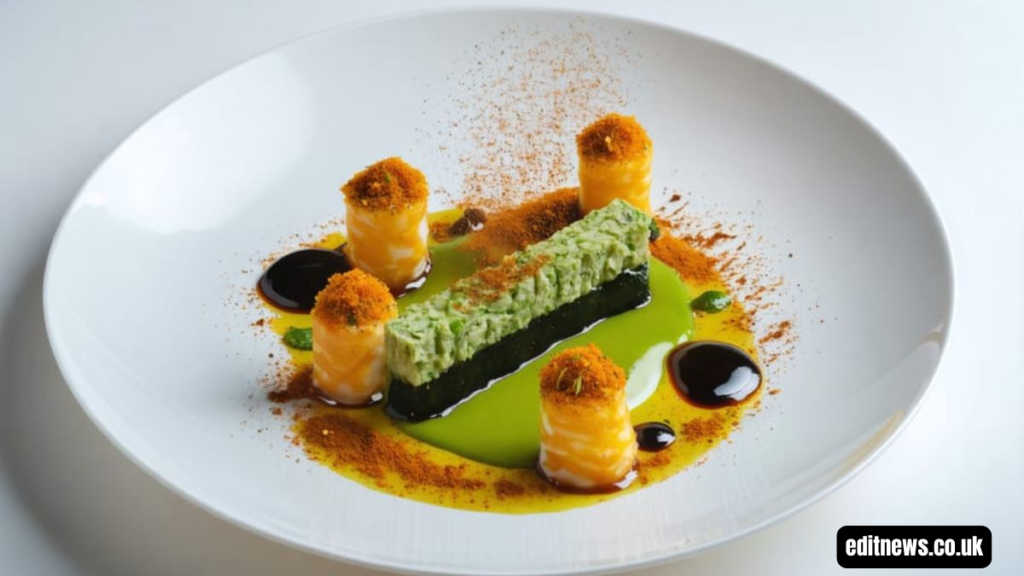

A warming glimpse into Japanese noodle culture
Soutaipasu is often described as a comforting expression of Japanese winter noodle traditions, blending warmth, simplicity, and deep culinary heritage. While its exact origins and interpretations vary, it is widely associated with hearty noodle bowls designed to nourish the body during colder months.
At its core, Soutaipasu represents more than just a dish—it reflects a food philosophy centered on balance, seasonal ingredients, and emotional comfort. As global interest in Japanese cuisine continues to grow, Soutaipasu has become a keyword that sparks curiosity among food lovers exploring authentic and modern interpretations of Asian noodle culture.
Why Soutaipasu is gaining global attention
In recent years, Soutaipasu has appeared more frequently in food blogs, recipe discussions, and cultural articles. This rise is driven by the global popularity of Japanese comfort food and the increasing demand for traditional yet adaptable dishes.
People are drawn to it because it feels both familiar and unique—offering the warmth of noodle soup while introducing distinctive flavor combinations inspired by Japanese seasonal cooking. This balance of tradition and modern curiosity makes Soutaipasu a fascinating topic for culinary exploration.
Origins and Meaning of Soutaipasu
Linguistic and cultural interpretations
The meaning of Soutaipasu is often discussed in relation to Japanese linguistic influences and conceptual culinary ideas. Some interpretations connect it to themes of balance, harmony, or “relative path,” reflecting how ingredients and preparation methods come together in alignment.
Rather than being a strictly defined historical dish, Soutaipasu is better understood as a culinary concept shaped by evolving food traditions and modern reinterpretations of Japanese noodle culture.
Cultural inspiration behind the concept
Japan has a long history of noodle-based winter dishes designed to provide warmth and sustenance during cold seasons. Soutaipasu draws inspiration from this tradition, incorporating elements of miso-based broths, seasonal vegetables, and wheat noodles.
It reflects the Japanese philosophy of using food as a form of seasonal harmony. In this sense, Soutaipasu becomes a symbolic representation of how culture, environment, and cuisine intersect in everyday life.
Key Ingredients Used in Soutaipasu Dishes
Foundational components of flavor
At the heart of Soutaipasu-style dishes are noodles made from wheat or similar bases, chosen for their ability to absorb rich broths. These noodles are typically paired with deeply flavored soups such as miso, soy, or dashi-based stocks.
The broth is essential, acting as the foundation that defines the dish’s overall character. Its preparation often involves slow simmering to extract maximum umami flavor.
Seasonal vegetables and protein elements
Soutaipasu often highlights seasonal ingredients like mushrooms, leafy greens, root vegetables, and mountain-grown produce. These ingredients not only enhance flavor but also reflect Japan’s emphasis on seasonality.
Protein additions may include tofu, chicken, or fish, depending on regional preferences. In modern variations, plant-based alternatives are also widely used to adapt Soutaipasu to diverse dietary needs.
How Soutaipasu Is Prepared
Building the broth and base flavors
The preparation of Soutaipasu begins with crafting a well-balanced broth. Ingredients like kombu, dried fish, miso paste, or soy sauce are simmered to develop depth and complexity.
This step is crucial because the broth defines the identity of the dish. A well-prepared base ensures that every additional ingredient blends harmoniously rather than overpowering the overall flavor.
Noodle preparation and final assembly
Noodles are cooked separately to achieve the perfect chewy texture before being added to the broth. Timing is essential, as overcooking can affect the dish’s quality.
Once assembled, toppings are carefully arranged to enhance both presentation and taste. The final bowl of Soutaipasu is meant to feel balanced, warm, and visually inviting.
Regional Variations and Interpretations
Local adaptations across Japan
Different regions in Japan may interpret Soutaipasu-style dishes in unique ways, influenced by local ingredients and culinary traditions. Northern regions often favor richer, more warming broths, while coastal areas incorporate seafood-based flavors.
These variations highlight how adaptable the concept is, allowing it to evolve naturally within different cultural contexts.
Modern fusion and global influence
Outside Japan, chefs have begun experimenting with Soutaipasu by blending it with international ingredients. This includes incorporating spices, alternative noodles, or fusion toppings.
Such adaptations demonstrate how Soutaipasu continues to evolve as a global food concept while maintaining its core identity rooted in comfort and balance.
Health Benefits and Nutritional Value
Nutritional balance and wholesome ingredients
Soutaipasu is often considered a balanced meal due to its combination of carbohydrates, proteins, and vegetables. The broth-based nature of the dish also makes it relatively light yet filling.
Ingredients like miso and fermented elements contribute probiotics and beneficial nutrients that support digestion and overall wellness.
Warming and seasonal health benefits
Traditionally consumed during colder months, Soutaipasu provides warming properties that help the body adapt to low temperatures. The inclusion of hot broth and nutrient-rich vegetables makes it especially comforting.
It aligns well with seasonal eating practices, which emphasize consuming foods that match the body’s needs throughout the year.
Soutaipasu in Modern Food Culture
Digital popularity and food trends
Soutaipasu has gained attention in online food communities, where users share interpretations, recipes, and creative presentations. Social media platforms have played a major role in increasing its visibility.
This digital presence has transformed Soutaipasu into both a culinary and cultural keyword, sparking curiosity among global audiences.
A symbol of evolving Japanese cuisine
Modern chefs often use Soutaipasu as a foundation for innovation, blending traditional techniques with contemporary presentation styles. It reflects the evolving nature of Japanese cuisine in a globalized food landscape.
As a result, Soutaipasu continues to bridge the gap between authenticity and creativity.
Common Mistakes When Preparing Soutaipasu
Imbalanced broth and overcooked noodles
One common mistake is failing to achieve the right broth balance, which can lead to overly salty or bland flavors. Precision in seasoning is essential for authenticity.
Overcooking noodles is another frequent issue, as it can ruin the texture and overall eating experience.
Ingredient mismatches and lack of harmony
Using ingredients that do not complement each other can disrupt the dish’s intended balance. Soutaipasu relies heavily on harmony between broth, noodles, and toppings.
Maintaining simplicity and respecting ingredient compatibility is key to achieving an authentic result.
Tips for Making Soutaipasu at Home
Choosing quality ingredients and tools
Using high-quality noodles and fresh broth components significantly improves the final dish. Even simple ingredients can produce excellent results when prepared correctly.
Basic kitchen tools such as a good pot and strainer are often sufficient for home preparation.
Enhancing flavor with simple techniques
Small adjustments like slow simmering the broth or adding ingredients gradually can enhance depth of flavor. Seasoning should always be adjusted at the end for balance.
Home cooks are encouraged to experiment while maintaining respect for traditional flavor principles.
Conclusion: The Meaning Behind Soutaipasu
Soutaipasu represents more than a bowl of noodles—it reflects a broader cultural appreciation for balance, warmth, and seasonal cooking. Its appeal lies in its simplicity and adaptability, making it accessible to both traditionalists and modern food enthusiasts.
As global interest in Japanese cuisine continues to expand, Soutaipasu stands as an example of how food can connect culture, comfort, and creativity in one harmonious experience.
FAQs About Soutaipasu
What is Soutaipasu?
Soutaipasu is commonly described as a Japanese-inspired noodle concept associated with winter comfort food. It typically features warm broth, wheat noodles, and seasonal ingredients. While interpretations vary, it is widely seen as a symbolic representation of balance and traditional Japanese culinary philosophy.
Is Soutaipasu a traditional Japanese dish?
Soutaipasu is not strictly defined as a historical traditional dish but rather a modern interpretation inspired by Japanese noodle culture. It draws heavily from established traditions such as miso ramen and seasonal hot noodle soups commonly enjoyed in Japan.
What makes Soutaipasu different from other noodle dishes?
The uniqueness of Soutaipasu lies in its emphasis on balance, seasonal ingredients, and conceptual presentation. Unlike standardized noodle dishes, it allows flexibility in ingredients and preparation while maintaining a focus on harmony and comfort.
Can Soutaipasu be made vegetarian or vegan?
Yes, Soutaipasu can easily be adapted for vegetarian or vegan diets. Plant-based broths, tofu, mushrooms, and seasonal vegetables can replace animal-based ingredients while preserving flavor depth and nutritional value.
Why is Soutaipasu associated with winter food culture?
Soutaipasu is linked to winter cuisine because of its warm, nourishing qualities. The hot broth and hearty ingredients make it ideal for cold weather, aligning with Japanese seasonal eating traditions that emphasize warmth and comfort.