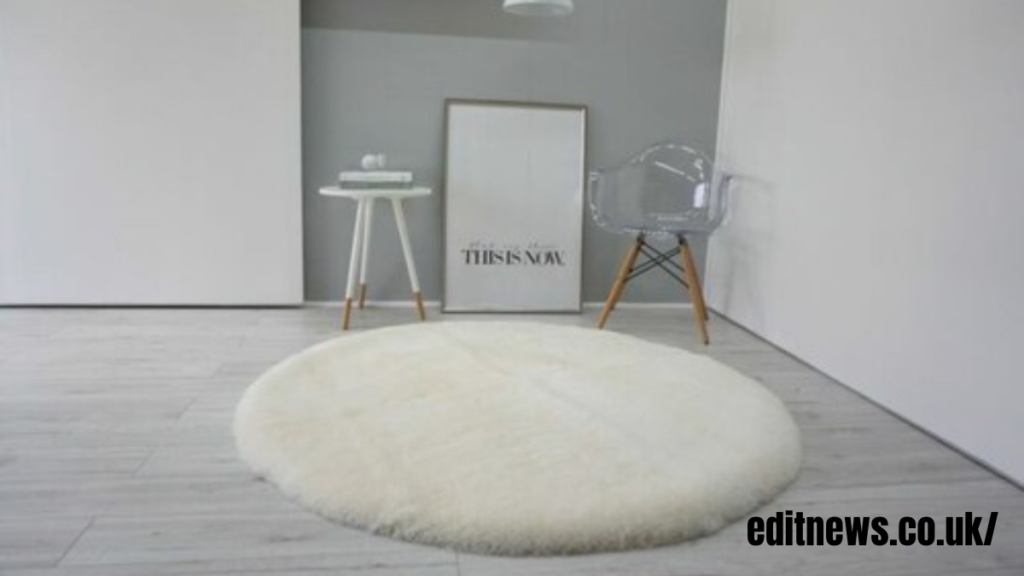

Wollmatten are becoming increasingly popular in modern interior design as people shift toward natural, eco-friendly, and comfortable living environments. These wool-based mats offer a unique combination of softness, durability, and sustainability that synthetic materials often struggle to match. Whether used in homes, offices, or commercial interiors, they bring a warm and natural aesthetic that enhances any space.
In recent years, the demand for environmentally responsible home products has grown significantly. Wollmatten fit perfectly into this trend, offering both functional and decorative benefits. They are not just floor coverings but also contribute to insulation, noise reduction, and overall indoor comfort. This makes them a versatile choice for homeowners who value both style and sustainability.
What Are Wollmatten Made Of?
Natural Wool as the Core Material
Wollmatten are primarily made from natural sheep wool, a renewable and biodegradable resource. Wool fibers are processed into dense mats through techniques such as felting or weaving, creating a durable surface that retains warmth and structure. This natural origin makes them a highly sustainable alternative to synthetic flooring options.
The quality of wool used plays a major role in the final product. High-grade wool results in softer, longer-lasting mats, while lower-quality fibers may reduce durability. Because wool naturally contains lanolin, Wollmatten also resist dirt and moisture to some extent, making them practical for everyday use.
Handmade and Industrial Production Methods
There are two main production methods for Wollmatten: handmade crafting and industrial manufacturing. Handmade versions are often more unique, featuring artisanal textures and higher attention to detail. These are typically preferred for premium interior designs.
Industrial Wollmatten, on the other hand, are produced at scale and offer more affordability and consistency. While they may lack the individuality of handmade products, they still provide excellent insulation and comfort. Both types contribute to sustainable living, depending on user preferences and budget.
Key Benefits of Wollmatten
Thermal Insulation and Energy Efficiency
One of the most important advantages of Wollmatten is their natural insulation capability. Wool fibers trap air effectively, helping to maintain indoor temperatures during both winter and summer. This can reduce reliance on heating and cooling systems, ultimately lowering energy consumption.
Homes that use Wollmatten often feel warmer and more comfortable, especially in colder climates. This makes them a practical solution for energy-conscious homeowners looking to improve efficiency without sacrificing comfort.
Acoustic Comfort and Air Quality
Wollmatten also provide excellent sound absorption. They help reduce echo and noise levels in rooms, making them ideal for apartments, offices, and shared spaces. This acoustic benefit enhances overall living quality, especially in busy urban environments.
In addition, wool is naturally breathable and can regulate humidity. It absorbs excess moisture from the air and releases it when conditions become dry, helping maintain a balanced indoor environment. This contributes to healthier air quality and improved comfort.
Wollmatten in Modern Interior Design
Natural Aesthetics in Contemporary Spaces
Modern interior design increasingly favors natural materials, and Wollmatten fit seamlessly into this trend. Their soft textures and neutral tones complement minimalist, Scandinavian, and rustic design styles. They add warmth without overwhelming the visual balance of a room.
Designers often use Wollmatten to soften hard surfaces like wood, stone, or concrete. This contrast creates a cozy and inviting atmosphere while maintaining a modern aesthetic appeal.
Placement and Styling Ideas
Wollmatten can be used in various areas of the home, including living rooms, bedrooms, and home offices. In living spaces, they serve as central design elements that anchor furniture arrangements. In bedrooms, they add comfort underfoot and enhance relaxation.
They also work well in layered décor styles, where multiple textures are combined for visual depth. Pairing Wollmatten with natural fabrics like linen or cotton enhances the organic feel of a space.
Practical Applications of Wollmatten
Home and Residential Use
In residential settings, Wollmatten are commonly used as floor coverings or rug alternatives. They provide warmth, comfort, and a natural aesthetic that improves the overall living experience. Their insulating properties make them especially useful in homes with cold flooring materials.
They can also be used as underlays beneath other flooring types, adding an extra layer of insulation and protection. This versatility makes them a valuable addition to modern households.
Commercial and Specialized Applications
Beyond homes, Wollmatten are also used in commercial spaces such as hotels, offices, and wellness centers. Their ability to reduce noise and enhance comfort makes them ideal for environments where atmosphere matters.
In some cases, they are also used in creative architectural applications, including wall insulation and decorative panels. This demonstrates their flexibility across different industries and design needs.
How to Choose the Right Wollmatten
Material Quality and Construction
When selecting Wollmatten, material quality should be the top priority. High-quality wool ensures better durability, softness, and insulation performance. It is important to check whether the product is made from pure wool or blended materials.
Density and thickness also play a key role. Thicker mats generally offer better insulation and comfort, while thinner ones may be more suitable for decorative purposes.
Style, Budget, and Practical Needs
Choosing the right Wollmatten also depends on design preferences and budget. Handmade versions tend to be more expensive but offer unique craftsmanship. Machine-made options are more affordable and widely available.
It is also essential to consider where the mat will be used. High-traffic areas require more durable options, while low-traffic spaces allow for more delicate designs.
Maintenance and Care Tips
Cleaning and Everyday Maintenance
Wollmatten are relatively easy to maintain due to the natural properties of wool. Regular vacuuming helps remove dust and debris without damaging fibers. Gentle cleaning methods are recommended to preserve texture and quality.
Spills should be addressed quickly to prevent staining. Wool’s natural resistance to dirt helps, but proper care ensures long-lasting performance and appearance.
Long-Term Care and Storage
To extend the lifespan of Wollmatten, occasional deep cleaning may be necessary. Professional cleaning services are often recommended for best results. Avoid harsh chemicals, as they can damage natural fibers.
When storing Wollmatten, keep them in a dry, ventilated space to prevent moisture buildup. Proper care ensures they remain functional and attractive for many years.
Environmental Impact and Sustainability
Eco-Friendly Material Choice
Wollmatten are widely regarded as environmentally friendly due to their natural composition. Sheep wool is renewable, biodegradable, and requires less energy to process compared to synthetic materials. This reduces their overall environmental footprint.
Their production also supports sustainable farming practices in many regions. This contributes to a more responsible supply chain in the textile industry.
Contribution to Sustainable Living
Using Wollmatten in home design supports broader sustainability goals. They help reduce dependence on synthetic flooring materials that often contain plastics and chemicals. Over time, this shift contributes to healthier indoor environments and reduced waste.
Their long lifespan further enhances sustainability, as fewer replacements are needed compared to lower-quality alternatives.
Wollmatten vs Other Flooring Options
Natural vs Synthetic Materials
Compared to synthetic carpets, Wollmatten offer superior breathability and environmental benefits. Synthetic materials may be cheaper initially, but they often lack durability and sustainability. Wool mats provide a more natural and long-term solution.
They also perform better in terms of indoor air quality, as they do not release harmful chemicals commonly found in synthetic flooring.
Performance and Comfort Comparison
When compared to hardwood or tile flooring, Wollmatten add a layer of comfort that hard surfaces cannot provide. While they may not replace structural flooring, they significantly enhance usability and comfort in living spaces.
Their versatility allows them to complement rather than compete with other flooring types.
Future Trends of Wollmatten in Interior Design
Growing Demand for Sustainable Interiors
As sustainability becomes a global priority, Wollmatten are expected to gain even more popularity. Consumers are increasingly seeking natural materials that align with eco-conscious lifestyles. This trend is shaping the future of interior design.
Designers are also integrating wool-based products into luxury eco-design concepts, making them a staple in modern architecture.
Innovation and Smart Living Integration
Advancements in textile technology are improving the performance of Wollmatten. Innovations in processing methods are enhancing durability, texture, and functionality. This allows wool mats to be used in more advanced applications.
In smart homes, natural insulation materials like Wollmatten may play a role in energy-efficient building systems, contributing to smarter and more sustainable living environments.
Conclusion
Wollmatten represent a perfect balance between sustainability, comfort, and modern design. Their natural composition, insulating properties, and aesthetic versatility make them an ideal choice for contemporary interiors. As demand for eco-friendly living solutions continues to rise, these wool mats are becoming more than just decorative items—they are functional components of sustainable homes.
From energy efficiency to interior elegance, Wollmatten offer long-term value for homeowners and designers alike. Their ability to combine practicality with natural beauty ensures they will remain relevant in future design trends.
FAQs
What are Wollmatten used for?
Wollmatten are used for flooring, insulation, decoration, and sound absorption in both residential and commercial spaces. They enhance comfort and improve indoor environments naturally.
Are Wollmatten environmentally friendly?
Yes, they are made from natural sheep wool, which is biodegradable and renewable. This makes them a sustainable alternative to synthetic flooring materials.
How do you clean Wollmatten?
Regular vacuuming is recommended. For deeper cleaning, professional wool-safe cleaning methods should be used to preserve quality and texture.
Are Wollmatten suitable for allergy sufferers?
Yes, wool naturally traps dust and allergens, which can improve indoor air quality. However, regular cleaning is important to maintain this benefit.
How long do Wollmatten last?
With proper care, Wollmatten can last for many years due to the durability of natural wool fibers, making them a long-term investment for homes.