
In the fast-paced world of hospitality, efficiency and organization can make or break the customer experience. From busy restaurants to large catering events, every second counts when it comes to clearing tables, transporting dishes, and maintaining cleanliness. This is where afruimwagens play a crucial role as an essential part of modern horeca operations.
Afruimwagens, also known as clearing or utility carts, are designed to simplify the movement of dishes, cutlery, waste, and supplies within professional environments. They are not just simple trolleys—they are productivity tools that help staff work faster, safer, and more efficiently. In today’s competitive hospitality industry, investing in the right afruimwagens can significantly improve workflow, reduce labor pressure, and enhance overall service quality.
What Are Afruimwagens?
Afruimwagens are specialized transport carts used primarily in horeca environments such as restaurants, hotels, catering services, and institutional kitchens. Their main purpose is to support staff in clearing tables, moving used items, and transporting materials between service areas and kitchens.
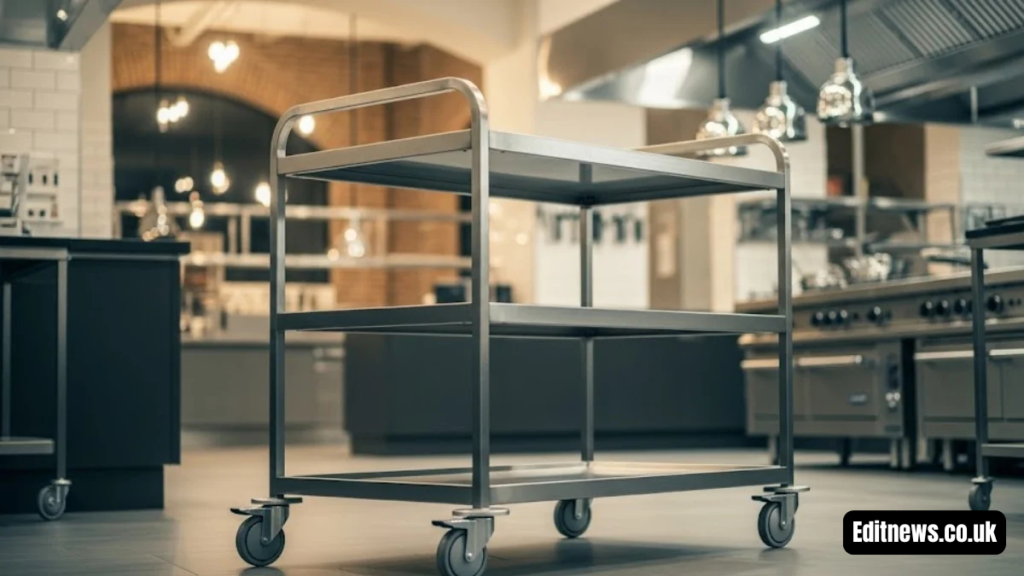
These carts are designed with practicality in mind. Most models feature multiple shelves, durable frames, and smooth-rolling wheels that allow easy movement even when fully loaded. Depending on the environment, they can be made from stainless steel, high-quality plastic, or a combination of both materials to ensure durability and hygiene.
Core Function in Hospitality Operations
The primary function of afruimwagens is to streamline back-of-house operations. Instead of staff carrying multiple plates or trays by hand, a single trip with a cart can handle a large load efficiently. This reduces unnecessary walking, minimizes accidents, and speeds up table turnover in busy service environments.
Difference From Standard Service Carts
While service carts and utility trolleys may look similar, afruimwagens are specifically designed for clearing and cleaning tasks. They are optimized for handling dirty dishes, waste separation, and transport to dishwashing areas, making them more specialized for post-service operations.
Key Uses of Afruimwagens in Horeca
Afruimwagens are widely used across different segments of the hospitality industry. Their versatility makes them an essential tool for improving workflow in both front-of-house and back-of-house operations.
Restaurant Operations
In restaurants, afruimwagens are primarily used to clear tables quickly and efficiently. Staff can collect used dishes, glasses, and cutlery in a single trip instead of multiple rounds. This speeds up service cycles and allows tables to be reset faster for new guests.
They also help maintain a cleaner dining environment. By removing used items promptly, restaurants can ensure a more pleasant experience for customers while maintaining professional hygiene standards.
Hotel Services
Hotels rely heavily on afruimwagens for housekeeping and room service operations. Housekeeping staff use them to transport linens, toiletries, cleaning supplies, and waste between rooms and storage areas.
In room service, these carts help deliver and collect trays efficiently, ensuring that guest rooms remain tidy without unnecessary delays or disruptions.
Catering and Events
Catering services and event venues often deal with large crowds and tight schedules. Afruimwagens allow staff to manage high-volume service situations smoothly by transporting large quantities of dishes and equipment in fewer trips.
They also help maintain order during events, ensuring that used items are cleared quickly without disturbing guests or interrupting the flow of service.
Kitchen and Back-of-House Use
Behind the scenes, afruimwagens play a vital role in kitchen operations. They are used to transport dirty dishes to washing stations, move ingredients between preparation areas, and manage waste disposal.
Their durability and load capacity make them ideal for heavy-duty kitchen environments where efficiency and speed are essential.
Types of Afruimwagens
Different horeca environments require different types of afruimwagens. Choosing the right type depends on workload, space, and operational needs.
Standard Utility Afruimwagens
Standard models are the most commonly used type. They are suitable for small to medium-sized restaurants and offer a simple yet effective solution for daily tasks.
These carts are lightweight, easy to maneuver, and cost-effective, making them ideal for businesses with moderate traffic levels.
Heavy-Duty Afruimwagens
Heavy-duty models are designed for high-volume environments such as large hotels, hospitals, and busy catering services. They feature reinforced frames and higher load capacities to handle constant use.
These carts are built for durability and can withstand frequent movement of heavy loads without compromising performance.
Multi-Tier Afruimwagens
Multi-tier afruimwagens come with multiple shelves, allowing users to separate items during transport. This improves organization and reduces the risk of breakage or contamination.
They are especially useful in busy kitchens where different types of items need to be transported simultaneously.
Stainless Steel Afruimwagens
Stainless steel models are highly popular in professional kitchens due to their hygienic properties. They are easy to clean, resistant to rust, and suitable for environments with strict hygiene requirements.
These carts are often preferred in high-end restaurants and institutional kitchens.
Compact and Foldable Models
Compact afruimwagens are designed for small spaces or mobile operations. Foldable versions can be stored easily when not in use, making them ideal for small cafés or flexible catering setups.
Benefits of Using Afruimwagens
Afruimwagens offer several advantages that directly impact productivity, safety, and customer satisfaction in horeca environments.
Improved Operational Efficiency
One of the biggest benefits is improved efficiency. Staff can move larger quantities of items in fewer trips, saving time and reducing physical effort.
This allows teams to focus more on customer service rather than repetitive manual tasks.
Enhanced Hygiene and Cleanliness
Afruimwagens help maintain hygiene by reducing direct contact with dirty dishes and waste. This is especially important in food service environments where cleanliness is a top priority.
They also support better waste separation and disposal practices, contributing to overall kitchen cleanliness.
Time and Cost Savings
By reducing the time spent on manual transport tasks, afruimwagens help businesses operate more efficiently. Over time, this leads to lower labor costs and improved staff productivity.
Faster table turnover also means increased revenue potential in restaurants and cafés.
Improved Workplace Safety
Carrying heavy or stacked items manually can lead to accidents or injuries. Afruimwagens reduce this risk by providing a stable and secure transport solution.
Their ergonomic design also reduces physical strain on staff, improving overall workplace safety.
How to Choose the Right Afruimwagen
Selecting the right afruimwagen depends on several factors that directly impact performance and usability in daily operations.
Business Size and Workload
Larger businesses require heavy-duty or multi-tier models, while smaller establishments can operate efficiently with standard carts.
Understanding daily workload helps in choosing a model that matches operational demands.
Material and Durability
Stainless steel models are ideal for hygiene-focused environments, while plastic versions are lightweight and easier to maneuver.
Durability should always be considered for long-term investment value.
Mobility and Wheel Quality
Smooth, high-quality wheels are essential for easy movement, especially in busy environments. Locking wheels also provide stability when the cart is stationary.
Storage and Space Considerations
For smaller kitchens, compact or foldable designs are more practical. Larger spaces can accommodate multi-tier or heavy-duty carts.
Maintenance and Care
Proper maintenance ensures long-lasting performance and hygiene compliance for afruimwagens.
Regular Cleaning
Carts should be cleaned daily to remove food residues and prevent bacterial buildup. Stainless steel models can be sanitized easily with standard cleaning solutions.
Wheel and Structure Inspection
Regular checks on wheels and joints help prevent unexpected breakdowns. Smooth mobility is essential for efficient operation.
Proper Load Management
Avoid overloading carts beyond their capacity. This not only damages the structure but also increases safety risks.
Common Mistakes to Avoid
Many businesses reduce the lifespan of their afruimwagens by making avoidable mistakes.
Overloading is one of the most common issues, leading to structural damage and reduced mobility. Another mistake is neglecting regular cleaning, which can compromise hygiene standards.
Improper use, such as pushing carts on uneven surfaces or using them for unintended purposes, can also shorten their lifespan significantly.
Future Trends in Afruimwagens
The evolution of afruimwagens is closely tied to innovation in the hospitality industry. Modern designs are becoming more ergonomic, lightweight, and environmentally friendly.
Smart features such as sensor-based tracking and automated movement are slowly entering the market. Eco-friendly materials are also gaining popularity as businesses shift toward sustainable practices.
Customization is another growing trend, allowing businesses to tailor carts to specific operational needs for maximum efficiency.
Conclusion
Afruimwagens are far more than simple transport carts—they are essential tools that improve efficiency, hygiene, and safety in horeca environments. From restaurants and hotels to catering services, they play a vital role in streamlining operations and enhancing customer experience.
Investing in the right afruimwagens can significantly improve workflow, reduce staff workload, and increase overall productivity. As the hospitality industry continues to evolve, these carts will remain a fundamental part of modern service operations.
FAQs
What are afruimwagens used for?
Afruimwagens are used for clearing tables, transporting dishes, and moving items efficiently within horeca environments such as restaurants, hotels, and catering services.
Are afruimwagens necessary for small restaurants?
Yes, even small restaurants benefit from improved efficiency, faster table turnover, and better hygiene management.
What materials are afruimwagens made of?
They are commonly made from stainless steel, durable plastic, or hybrid materials depending on usage requirements.
How do I maintain an afruimwagen?
Regular cleaning, wheel inspection, and avoiding overloading help maintain performance and extend lifespan.
What is the difference between afruimwagens and service carts?
Afruimwagens are specifically designed for clearing and waste transport, while service carts are used for serving food and drinks.