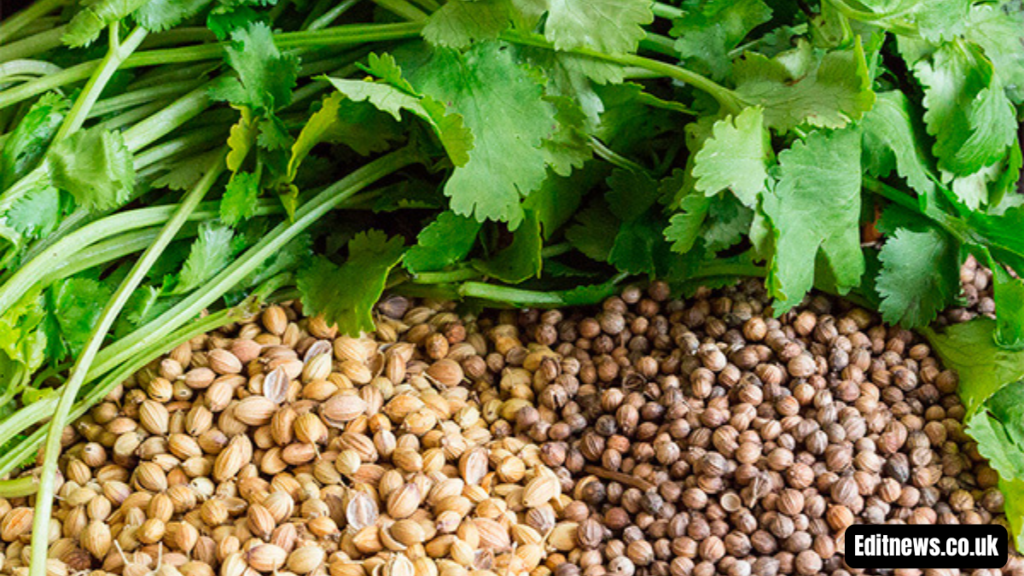

Koriandri is a widely recognized herb that plays an essential role in global cuisine and traditional wellness practices. Known in many regions as coriander or cilantro, it is valued for both its fresh green leaves and aromatic seeds. This humble plant has traveled across cultures for centuries, becoming a staple ingredient in kitchens around the world.
What makes Koriandri especially interesting is its versatility. It is used as a seasoning, garnish, spice, and even as a natural remedy in traditional medicine systems. From soups and curries to salads and teas, its presence enhances flavor while also contributing to nutrition and wellness benefits.
Beyond its culinary appeal, Koriandri is also appreciated for its historical and cultural importance. Ancient civilizations used it not only as food but also as a medicinal herb believed to support digestion and overall health. Today, it continues to be studied for its potential health-promoting properties.
What is Koriandri? Botanical Overview
Koriandri comes from the plant Coriandrum sativum, which belongs to the Apiaceae family. This family also includes parsley, celery, and fennel. The plant is an annual herb, meaning it completes its life cycle within one growing season, and it is known for its delicate leaves and small white or pinkish flowers.
The plant produces two main edible parts: fresh green leaves and dried seeds. The leaves are commonly used as an herb, while the seeds are dried and used as a spice. Interestingly, different cultures refer to the same plant differently—some call the leaves cilantro, while others use the term coriander for both.
Koriandri grows best in cool climates and well-drained soil. It develops quickly, often ready for harvest within a few weeks for leaves, while seeds take longer to mature. Its fast growth and adaptability make it a popular choice for home gardeners and commercial farmers alike.
Nutritional Profile of Koriandri
Koriandri is a nutrient-rich herb that offers a variety of vitamins and minerals in small but meaningful amounts. It contains vitamin A, vitamin C, vitamin K, and small levels of folate and potassium. These nutrients contribute to overall health, especially when the herb is consumed regularly as part of a balanced diet.
The leaves are particularly rich in antioxidants and plant compounds that help protect the body from oxidative stress. Meanwhile, coriander seeds contain dietary fiber, essential oils, and beneficial phytonutrients. Together, both forms of the plant provide a well-rounded nutritional boost.
Although it is not consumed in large quantities, Koriandri adds nutritional value to everyday meals. Its low-calorie nature makes it an ideal addition for people seeking healthy flavor enhancement without added fats or sugars.
Health Benefits of Koriandri
One of the most widely recognized benefits of Koriandri is its ability to support digestion. Traditionally, it has been used to relieve bloating, gas, and indigestion. The natural compounds found in the herb may help stimulate digestive enzymes and promote gut comfort.
Koriandri also contains anti-inflammatory and antioxidant properties. These compounds may help reduce inflammation in the body, which is linked to many chronic health conditions. Regular consumption, even in small amounts, can contribute to overall wellness and immune support.
Another potential benefit is blood sugar regulation. Some studies suggest that coriander seeds may help maintain healthy blood sugar levels by improving enzyme activity related to glucose metabolism. While more research is needed, these findings are promising.
Additionally, Koriandri may support heart health by helping manage cholesterol levels and improving circulation. Its natural detoxifying properties are also believed to assist the body in eliminating heavy metals and toxins, although these effects vary from person to person.
Culinary Uses of Koriandri
Koriandri is one of the most widely used herbs in global cuisine. Its fresh leaves are commonly used as a garnish or flavor enhancer in dishes such as soups, salads, curries, and salsas. The bright, citrus-like flavor adds freshness to rich and spicy foods.
The seeds, on the other hand, are used as a spice. They are often ground into powder or used whole in spice blends. Coriander seeds are a key ingredient in many curry powders and seasoning mixes, especially in South Asian, Middle Eastern, and Latin American cuisines.
Koriandri pairs well with ingredients like garlic, chili, cumin, and ginger. It balances strong flavors and adds depth to dishes. However, its flavor can change when heated, so fresh leaves are often added at the end of cooking for maximum taste.
Traditional and Medicinal Uses of Koriandri
In traditional medicine systems like Ayurveda, Koriandri has long been used to balance the body’s internal systems. It is believed to have cooling properties that help reduce heat and inflammation in the body.
Traditional Chinese medicine also recognizes coriander for its digestive and detoxifying effects. It has been used in herbal remedies to support appetite, relieve stomach discomfort, and improve overall vitality.
In many cultures, coriander seeds are used to prepare herbal teas. These infusions are believed to support digestion and hydration. Historically, Koriandri was also used in ancient Egypt and Greece for both culinary and medicinal purposes, showing its long-standing global importance.
How to Grow Koriandri at Home
Growing Koriandri at home is relatively simple and rewarding. It thrives in cool weather and prefers well-drained soil with moderate sunlight. The seeds can be sown directly into the soil or containers, making it suitable for both gardens and balconies.
The plant grows quickly, and leaves can often be harvested within three to four weeks. Regular watering is important, but overwatering should be avoided as it can damage the roots. Proper spacing ensures healthy growth and prevents overcrowding.
To encourage continuous growth, gardeners often harvest leaves gradually instead of removing the entire plant. This allows fresh leaves to regrow and extend the harvesting period. With minimal care, Koriandri can provide a steady supply of fresh herbs at home.
Side Effects and Precautions
While Koriandri is generally safe for most people, excessive consumption may lead to mild side effects in some cases. These may include allergic reactions or digestive discomfort, especially in sensitive individuals.
People with specific allergies to plants in the Apiaceae family should be cautious. Additionally, those taking medication for blood sugar or blood pressure should consult a healthcare professional before using large amounts regularly.
Moderation is key when consuming any herb. Using Koriandri as a flavoring ingredient in meals is typically safe and beneficial, but concentrated supplements or extracts should be used carefully.
Koriandri vs Other Herbs
Koriandri is often compared with herbs like parsley and mint due to its similar appearance. However, its flavor profile is distinct, offering a citrusy and slightly peppery taste that sets it apart.
Compared to cumin, which is used primarily as a warm spice, Koriandri provides a fresher and lighter aroma. While cumin enhances depth, coriander adds brightness to dishes.
These differences make Koriandri a versatile herb that complements rather than replaces other spices and herbs in cooking.
Buying and Storing Koriandri
When buying fresh Koriandri, it is best to choose bright green leaves without yellowing or wilting. Freshness is key to maintaining flavor and nutritional value.
To store it, wrapping the leaves in a damp paper towel and placing them in the refrigerator can help extend freshness. Alternatively, coriander leaves can be frozen for longer storage.
Coriander seeds should be stored in airtight containers in a cool, dry place. Proper storage helps preserve their aroma and flavor for months.
Modern Research Insights on Koriandri
Modern research has begun to explore the potential health benefits of Koriandri more deeply. Studies suggest that its antioxidant properties may help protect cells from damage caused by free radicals.
Some research also highlights its antimicrobial effects, which may help fight certain bacteria and infections. Additionally, preliminary studies on blood sugar regulation continue to attract scientific interest.
While more clinical evidence is needed, current findings support many of the traditional uses of Koriandri in herbal medicine.
Conclusion
Koriandri is far more than just a culinary herb. It is a globally appreciated plant that combines flavor, nutrition, and traditional healing properties. From its fresh leaves to its aromatic seeds, every part of the plant offers value.
Whether used in cooking, home remedies, or gardening, Koriandri continues to be a versatile and beneficial addition to daily life. Its long history and modern research both highlight its importance in health and cuisine.
Frequently Asked Questions (FAQs)
Is Koriandri the same as coriander or cilantro?
Yes, Koriandri refers to the same plant known as coriander in many regions and cilantro in the United States. The leaves, stems, and seeds all come from the same species, but the naming varies depending on the country and usage.
What are the main health benefits of Koriandri?
Koriandri may support digestion, reduce inflammation, and provide antioxidants. It is also believed to help regulate blood sugar levels and support heart health when included as part of a balanced diet.
Can Koriandri help with weight loss?
Koriandri is low in calories and may support digestion, which can indirectly aid weight management. However, it is not a direct weight-loss solution and should be combined with a healthy lifestyle.
How do you use Koriandri seeds in cooking?
Coriander seeds are often used whole or ground as a spice in curries, soups, and spice blends. They add a warm, slightly citrusy flavor and are commonly dry-roasted to enhance aroma.
Is it safe to eat Koriandri every day?
Yes, Koriandri is generally safe when consumed in normal food amounts daily. However, excessive intake or concentrated supplements should be used with caution, especially for individuals with health conditions.